Artificial intelligence allows companies to produce marketing copy, images, and videos in minutes instead of days or weeks. But as the volume of content grows, capturing people’s attention becomes increasingly difficult. In this environment, brand trust is emerging as one of the most important competitive advantages.
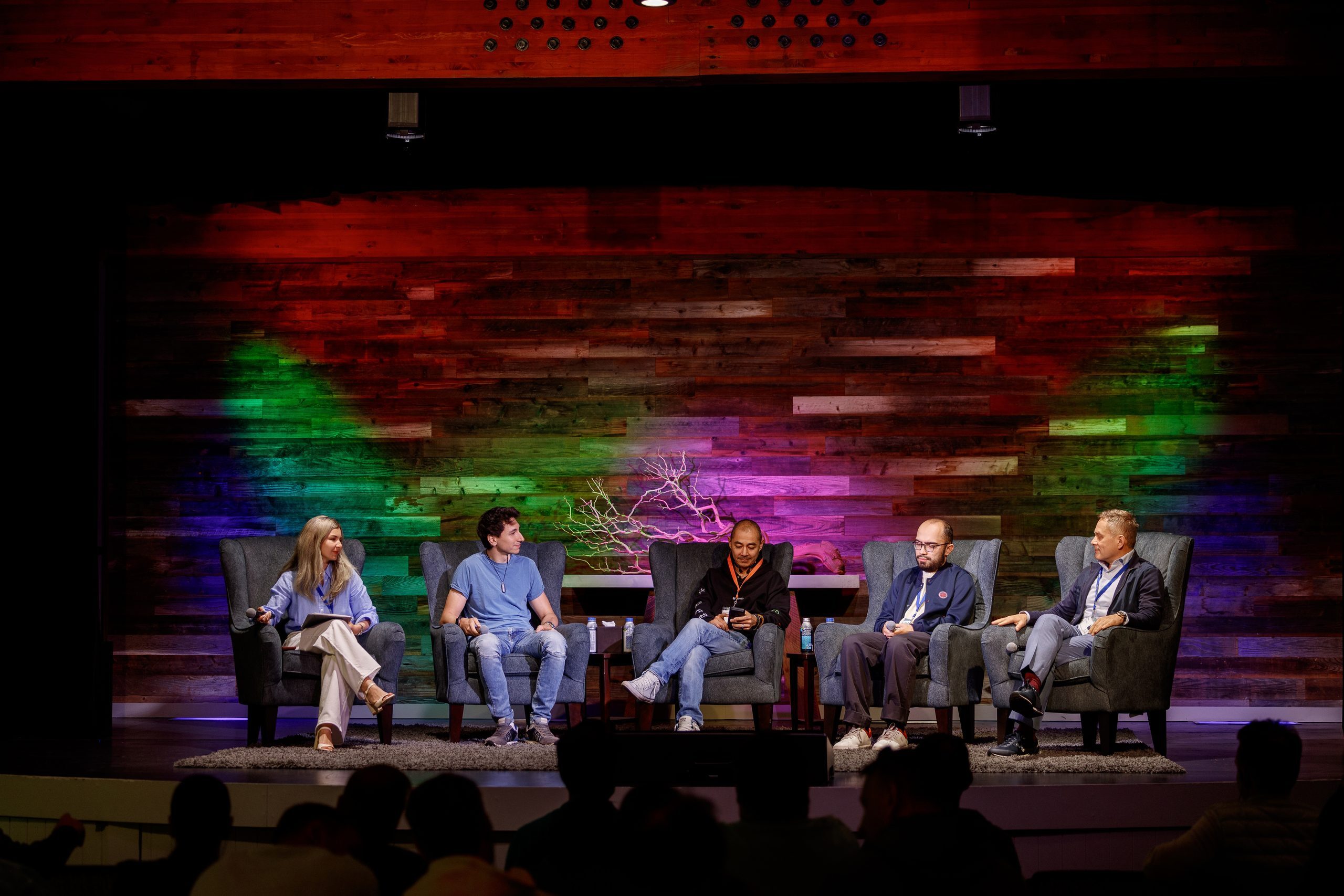
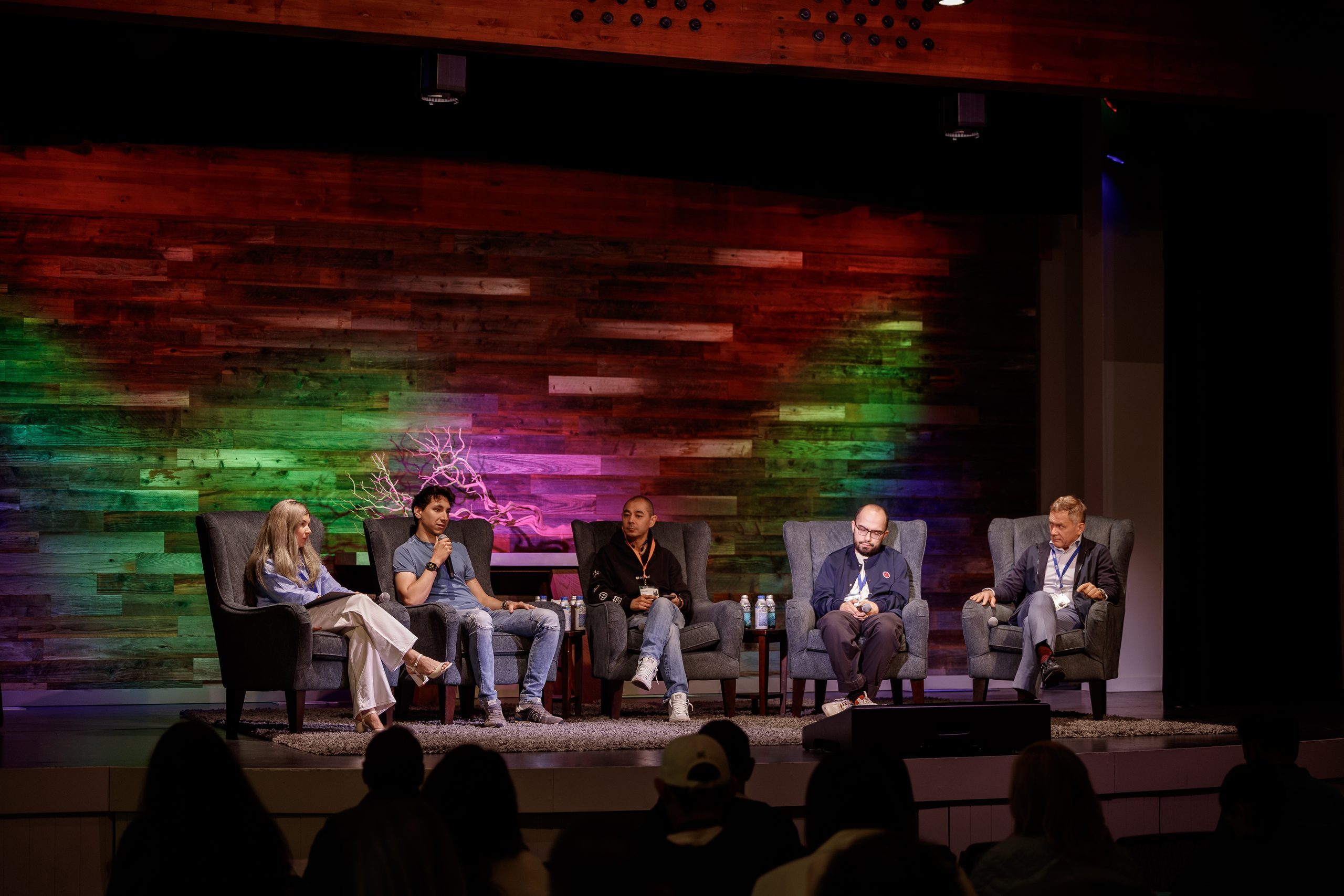
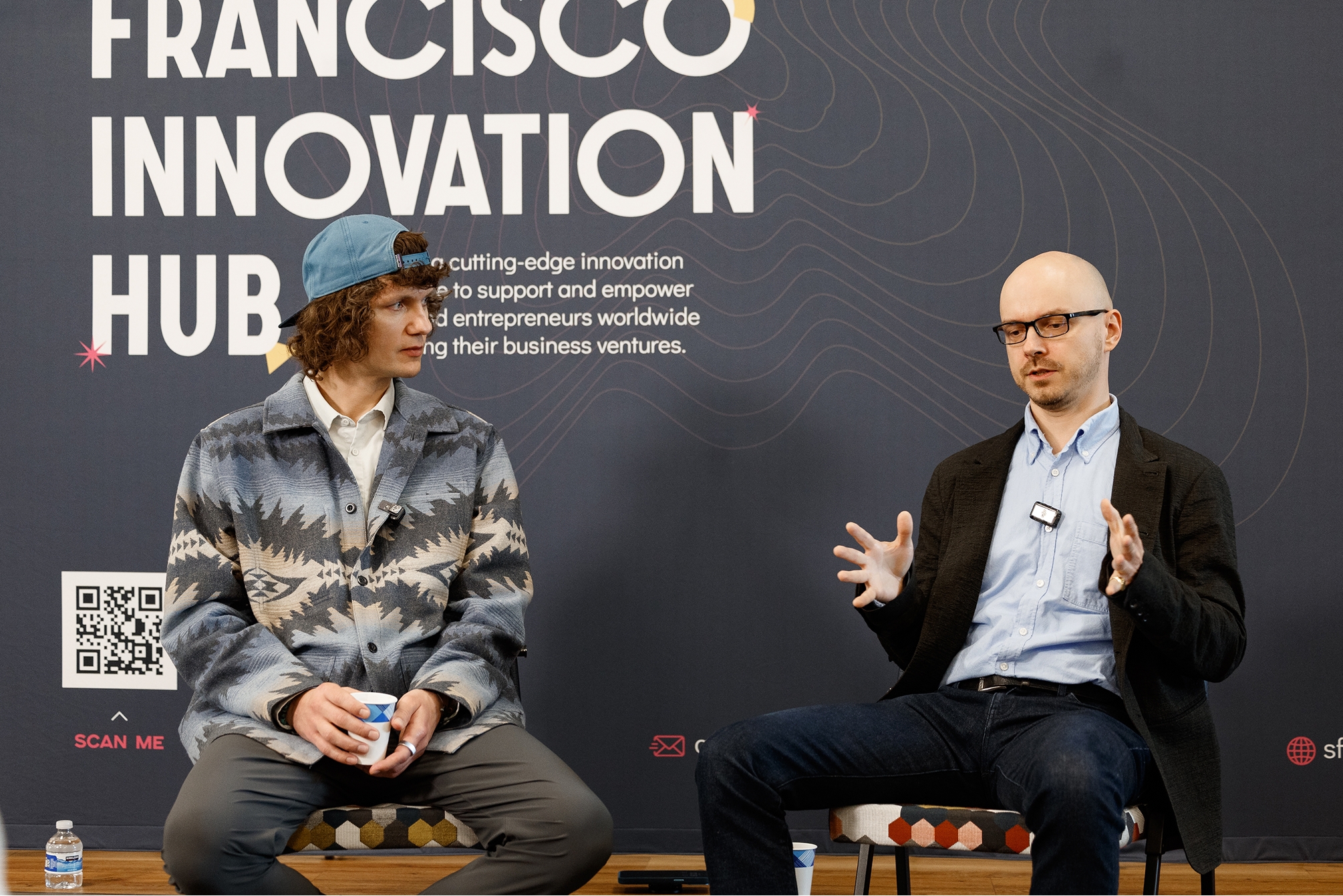
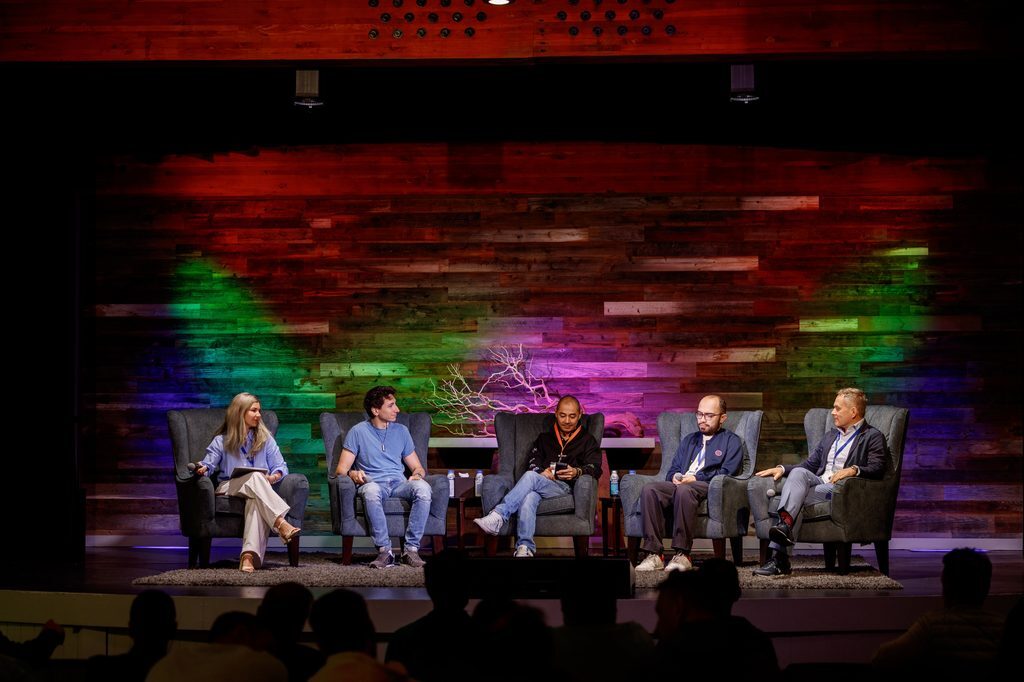
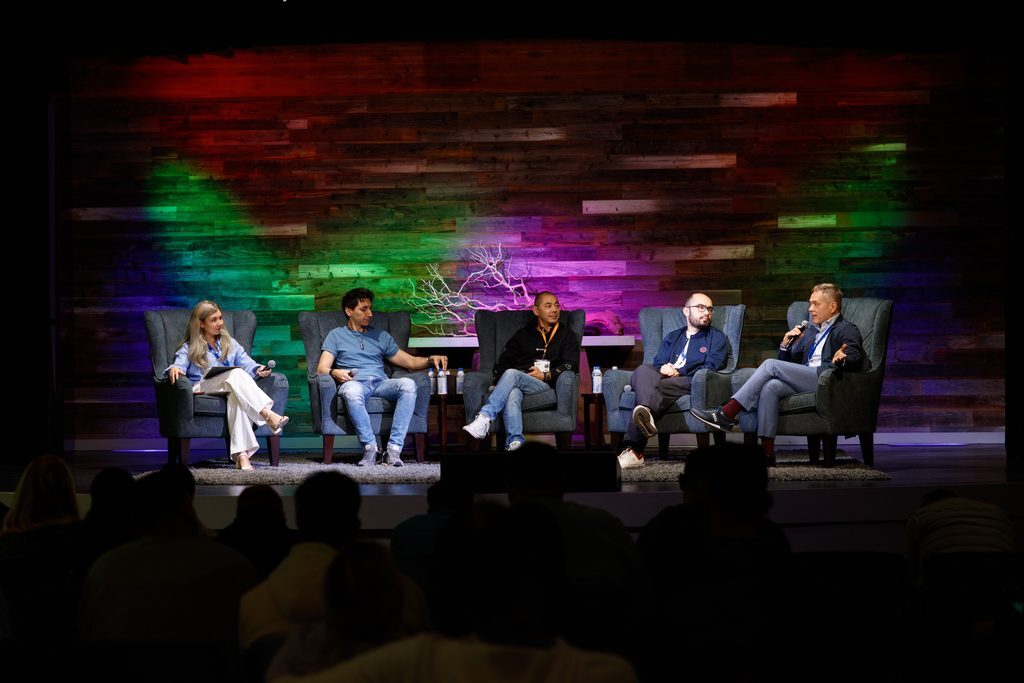
During the Marketing in the Age of AI panel discussion, entrepreneurs explored why traditional marketing metrics no longer tell the whole story and how companies can build lasting customer relationships when creating content has become easier than ever.
When Producing More Content Is No Longer an Advantage
Generative AI has fundamentally changed the economics of content production. Companies can launch campaigns faster, generate dozens of creative variations, and adapt their messaging for different audiences.
But their competitors have access to the same tools. Producing a high-quality promotional video once required a significant budget and a team of specialists. Today, the barrier to entry is much lower.
As a result, simply producing professional-looking content is becoming less of a differentiator.
One panelist pointed to the paradox: content has become so easy to create that producing more of it no longer guarantees customer trust or long-term relationships.
In his view, over the next decade, marketing will increasingly be optimized for trust rather than clicks.
That doesn’t mean advertising formats or reach are becoming irrelevant. Rather, their role is changing. Getting someone’s attention is only the first step. Companies still need to give potential customers a reason to believe in their products.
Why Clicks Don’t Tell the Whole Story
Digital marketing has traditionally relied on metrics such as clicks, page views, and time spent on a website.
These numbers help companies understand whether their campaigns are attracting attention. But they don’t necessarily indicate whether someone is ready to make a purchase.
During the discussion, one speaker argued that the ultimate measure of marketing success should be real customer actions: purchases, orders, and other outcomes that matter to the business.
Mike Yan, co-founder and CEO of Manychat, approached the issue from another angle. He argued that companies need to learn not only how to capture attention through social media and advertising, but also how to convert that attention into measurable business results.
Personalized customer interactions will play an increasingly important role in that process. AI agents can draw on previous conversations, understand the context of a customer’s request, and engage in dialogue rather than simply directing visitors to another form on a website.
But personalization alone doesn’t create trust. If a company promises an individualized experience but fails to solve the customer’s problem, technology simply makes a disappointing experience more personalized.
How Higgsfield Builds Brand Trust
Alex Mashrabov, co-founder and CEO of Higgsfield, an AI video generation platform, shared an interesting approach to building credibility.
Higgsfield faces a particular challenge. It sells generative video technology at a time when audiences are constantly exposed to impressive AI-generated content and may struggle to distinguish genuine product capabilities from carefully crafted demonstrations.
Mashrabov explained that the company works to establish trust by showcasing projects created with its own platform. Higgsfield produces promotional videos using its technology and then demonstrates how those videos were made.
YouTube tutorials are an important part of this approach. The team walks viewers through the production process, explaining what the tools can do and how to use them.
As an example, Mashrabov discussed a film project created with AI. According to him, a team of twelve people worked on it for approximately twenty days. The company documented the production process to show not only the finished result but also the people and work behind it.
This approach serves two purposes. Potential customers can see the quality the technology is capable of producing while also understanding the skills, effort, and processes involved.
Instead of simply promising that AI can generate impressive videos, Higgsfield demonstrates specific projects and shows how they were created.
Why Genuine Expertise Is Becoming More Valuable
Throughout the discussion, the panelists repeatedly returned to the importance of real experience, original ideas, and human creativity.
When any brand can quickly produce dozens of marketing assets, the things that cannot be generated from a simple prompt become more valuable: a founder’s firsthand experience, original research, professional judgment, or the results of an actual project.
AI can help turn that knowledge into an article, presentation, or video. But the underlying knowledge has to come from somewhere.
Alexander Vysotsky, another participant in the discussion, compared AI to an assistant whose effectiveness depends on the competence of the person giving instructions.
In his view, knowing how to use a tool isn’t enough to produce a strong result. You also need a clear vision of what you want to create.
The same principle applies to marketing. Technology makes it easier to develop and distribute ideas, but it doesn’t automatically make those ideas interesting or convincing.
This creates an opportunity for companies that use AI not as a substitute for their expertise, but as a way to communicate it more effectively.
What This Means for Marketing
Brand trust isn’t built through a single successful advertising campaign. It develops over time, when a company’s promises consistently match what customers experience.
AI gives businesses the ability to communicate with their audiences at a much greater scale. But it also creates the risk of producing enormous amounts of content that look and sound almost identical to what competitors are publishing.
Higgsfield offers one possible approach: don’t just show the final result. Explain how it was achieved. Share real projects, demonstrate expertise, and give potential customers enough information to evaluate the product for themselves.
For companies, this means reconsidering their marketing priorities. Beyond content production speed and campaign reach, the ability to back up claims with tangible evidence is becoming increasingly important.
AI can make marketing faster and more scalable. But companies still have to give people a reason to trust them.
How do you integrate AI into your business strategy rather than just adopting individual tools? Which processes should you delegate to AI agents, and which should remain in human hands?
These are some of the questions we’ll explore in person at Silicon Valley Camp 1440 — five days in California alongside entrepreneurs, investors, and tech industry leaders.

Ruslan Gafarov
Founder of San Francisco Innovation Hub, a global community based in Silicon Valley, and Neo Entrepreneurship Club, a nonprofit organization.